
Head Lice Removal: A Brief History
Just the word “lice” is often enough to make anyone’s scalp start to itch. These microscopic hitchhikers have been part of the human experience for millennia, laying eggs and thriving in our hair follicles since the dawn of time. In fact, lice are so persistent that they have even been discovered on Egyptian mummies preserved in their tombs.
While several lice removal options exist today, the battle to stop them from spreading remains a challenge. If you have ever dealt with a “lousy” infestation, you know exactly why this ancient pest is still a modern concern.
Lice Treatment Across the Ages
The history of head lice treatment dates back to at least 1550 B.C. The Ebers Papyrus, an ancient Egyptian medical guide, documented one of the first known remedies: sloshing a mixture of warm date-meal and water in the mouth and spitting it onto the skin to drive away lice and fleas.
As the centuries passed, methods became increasingly intense:
- 1200 B.C.: Chinese documents recorded the use of toxic mercury and arsenic compounds.
- 450 B.C.: Many Egyptians began endorsing the practice of shaving all body hair to eradicate the pests entirely.
- 100 A.D.: A breakthrough occurred in China with the discovery of Pyrethrum powder, a natural insecticide extracted from chrysanthemums. Marco Polo later introduced this “magical” compound to Europe in the 1300s.
Centuries later, in the 1940s, scientists developed a refined extract called Pytheris. While effective at killing live lice, it struggled to eliminate the eggs (nits). By 1977, Permethrin—a synthetic version of the chrysanthemum extract—was introduced as a standard consumer product.
The Evolution of Modern Lice Removal
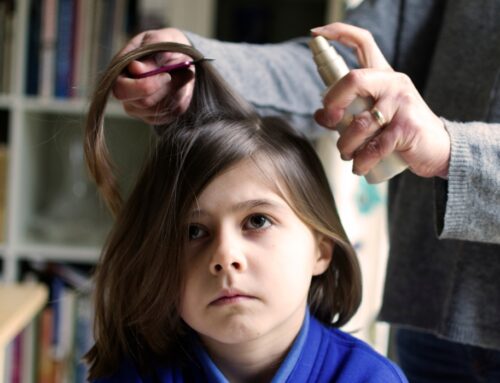
Today, we face a new challenge: Super Lice. Evidence suggests that lice have evolved, developing a genetic resistance to the chemical pesticides found in most over-the-counter drugstore kits. This resistance has made them harder to eradicate than ever before.
What Actually Works Today?
Because chemical treatments often fail, the National Institutes of Health (NIH) and experts now recommend physical and mechanical removal methods:
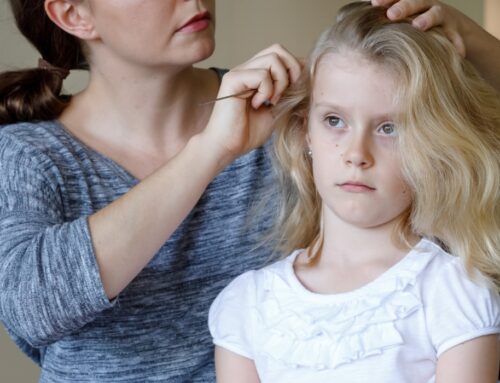
- Professional Combing: Using a high-quality, fine-toothed metal comb to manually remove every louse and nit.
- Heated Air Technology: Devices like the AirAllé (developed in 2006) use controlled heated air to dehydrate and kill lice and their eggs.
- Prescription Options: In extreme cases, doctors may prescribe oral medications, though these are often restricted for young children, pregnant women, or those with compromised immune systems.
Lice are evolutionary survivors. Until science finds a permanent way to destroy them, the most effective solution remains a combination of modern technology and meticulous, professional manual removal. If you are struggling with a persistent infestation, a professional lice clinic can offer the thorough treatment needed to solve the problem for good.