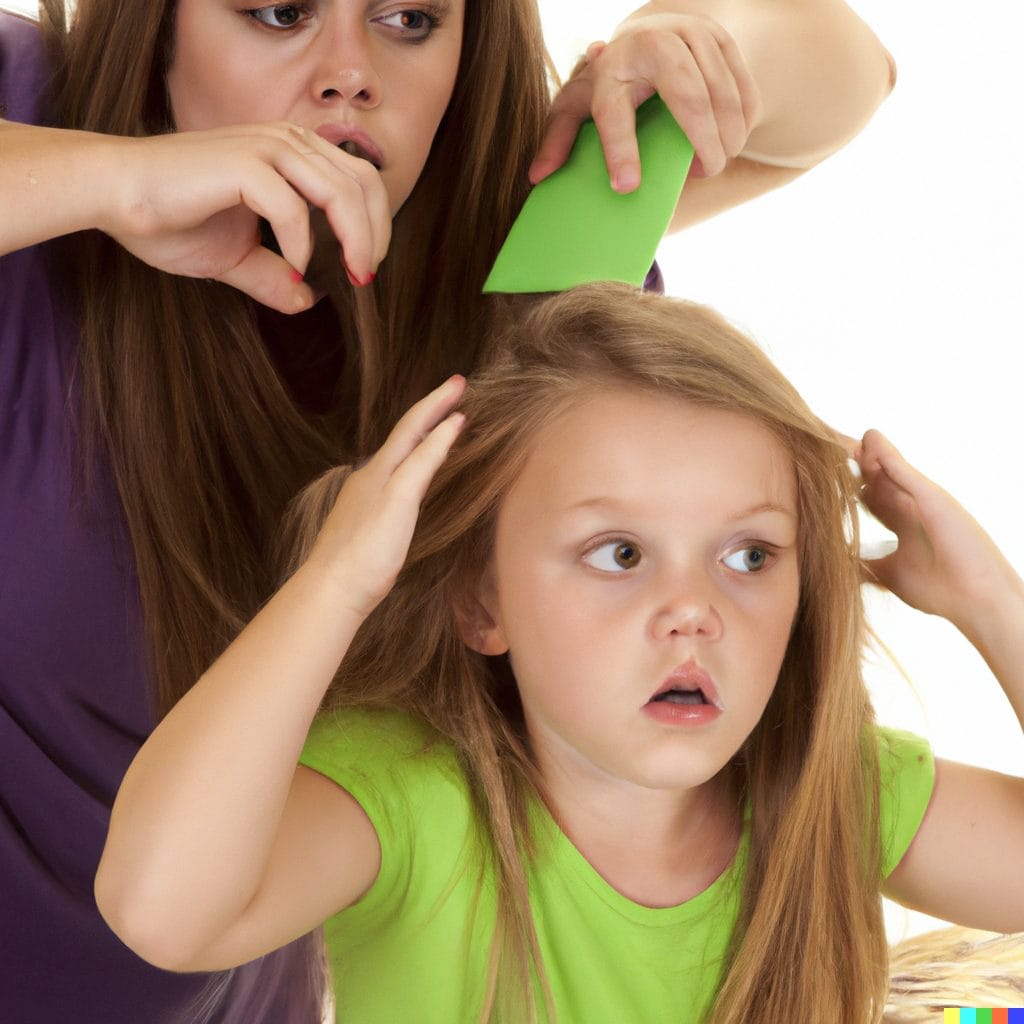

The Parent’s Guide to Early Detection: How to Spot Head Lice Before They Spread
Catching a head lice infestation in its infancy is the single most effective way to prevent a minor issue from becoming a household-wide crisis. Because lice multiply exponentially, early detection saves time, money, and frustration. Use this expert guide from Lice Charmers to recognize the warning signs and take immediate action.
1. Identifying the Warning Signs: Common Symptoms
While some children are asymptomatic, most will experience specific indicators that an infestation has begun. To confirm your suspicions, perform a thorough lice screening for the following:
- Persistent Itching: This is an allergic reaction to the louse’s saliva. It is most common behind the ears and at the neckline.
- The “Tickling” Sensation: Children often describe a feeling of something crawling or moving through their hair.
- Visible Nits (Eggs): These are tiny, teardrop-shaped specks firmly “glued” to the hair shaft. Note: Unlike dandruff or hair casts, nits cannot be flicked or blown away; they must be physically slid off the hair.
- Live Lice: Small, wingless insects roughly the size of a sesame seed, ranging in color from tan to grayish-white.
2. How Lice Move: Understanding the Risks
Head lice do not jump or fly; they are expert crawlers. The vast majority of cases are spread through direct head-to-head contact during play, sports, or family time. While less common, indirect transmission can occur via:
- Shared personal items like hats, headbands, and brushes.
- Shared upholstery, pillows, or towels.
- Costumes, helmets, or shared storage lockers at school.
While lice do not transmit diseases, the primary health risk is a secondary skin infection caused by bacteria entering the skin through intense scratching. Stopping the cycle early protects your child’s skin and your community’s health.
3. Comparing Your Treatment Options
If you spot lice, you have several paths to recovery. The effectiveness of each depends on the tools used and the thoroughness of the application:
- Professional Clinic Removal: Hiring a lice removal professional is the most reliable way to ensure 100% clearance. Experts use high-powered lighting and medical-grade combs to remove every bug and egg.
- Manual Combing (Wet-Combing): Using a fine-toothed metal comb to physically extract the infestation. This is highly effective but time-consuming.
- Over-the-Counter (OTC) Products: Drugstore shampoos often utilize pesticides to kill live bugs. However, many “Super Lice” have developed a resistance to these chemicals, often leaving the nits (eggs) viable.
4. Proactive Prevention Strategies
You can dramatically reduce the risk of re-infestation by adopting these simple habits:
- Weekly “Sneak a Peeks”: Quickly check the “hotspots” (nape of the neck and behind the ears) once a week.
- Setting Boundaries: Teach children to avoid sharing “hair-to-hair” items like hats, scarves, and hair ties.
- Environmental Cleanup: If lice are found, wash bedding and recently worn clothes in hot water (at least 130°F) and vacuum high-traffic areas like couches and car seats.
5. Why Professional Services Outperform DIY
The biggest challenge with at-home treatment is the “Nit Gap”—missing just two or three microscopic eggs can lead to a full relapse within a week. While OTC treatments are convenient, they rarely address the eggs effectively.
Specialized lice treatment centers utilize non-toxic, pesticide-free methods that are guaranteed to work in a single session. We provide the peace of mind that DIY methods often struggle to deliver.
Suspect an infestation? Don’t wait for it to spread. Contact Lice Charmers today to schedule a professional screening and get back to your normal routine immediately.