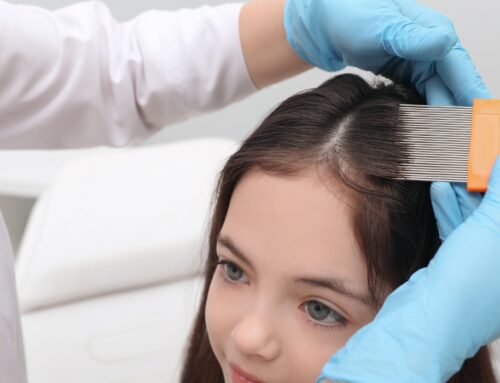

Lice Salon Insights: Dandruff or Head Lice?
Often our Lice Charmers lice salon service receives texts and photos from past and prospective clients asking us to identify nits or lice. Most of the time, it’s just dandruff or other debris found on the scalp. Confusing the two is understandable, but preventable with a little education.
When our hair becomes itchy, it’s easy to mistake it for simple dandruff or a dry scalp. However, if you’ve recently been exposed to lice, that itch can cause immediate panic. While dandruff can appear similar to nits, there are distinct ways to tell them apart. Read on to discover the key differences.
Meaning: Head Lice vs. Dandruff
Head lice are parasites that live and multiply on the scalp, feeding on human blood. An infestation can cause intense itching and, if left untreated, the lice will continue to lay eggs (nits), leading to a rapidly growing population.
Dandruff, or seborrheic dermatitis, is a common inflammatory skin condition. It causes the top layer of skin to shed too quickly, resulting in a dry, itchy, and flaky scalp. Unlike lice, dandruff is not contagious and cannot be spread from person to person.
Symptoms: Head Lice vs. Dandruff
Lice are most common among young children and those in close contact with them, such as parents and teachers. Common signs include:
- Extreme itching and constant scratching
- Red spots on the scalp from scratching
- Swollen lymph nodes (in severe cases)
- Tiny black spots on the scalp or in the hair
- Teardrop-shaped nits (eggs) glued to the hair shaft
Dandruff may also develop on other parts of the body, such as the neck, ears, or chest. Common symptoms include:
- Flaky skin that is either very oily or very dry
- White or yellow flakes that fall onto clothes
- Red-colored patches on the scalp
- Symptoms that worsen during winter or dry weather
Causes: Head Lice vs. Dandruff
Head lice are highly contagious and are spread through direct contact. You can get lice via:
- Head-to-head contact with an infested person
- Sharing personal items like combs or brushes
- Sharing fabric items like clothing, pillows, or towels
Dandruff is not contagious. It is typically caused by:
- Irritated or oily skin
- A yeast-like fungus (Malassezia)
- Sensitivity to specific hair care products
- Stress, fatigue, or extreme weather conditions
Treatment Options: Head Lice vs. Dandruff
While dandruff can often be managed with OTC shampoos, severe lice infestations can be much harder to eliminate. In these cases, it is often necessary to consult a professional lice removal salon.
Treatments for Head Lice involve:
- Professional combing to physically remove nits
- Dehydration treatments (such as FDA-cleared heated air devices)
- Over-the-counter or prescription topical products
Treatments for Dandruff involve:
- Pyrithione zinc shampoos
- Tar-based or salicylic acid shampoos
- Selenium sulfide shampoos
Lice Salon Insights
Whether you are dealing with lice or dandruff, we suggest starting treatment immediately. Lice multiply quickly, making the situation more difficult and expensive to handle the longer you wait. If home treatments are failing, contact a professional lice salon to resolve the issue quickly and effectively.