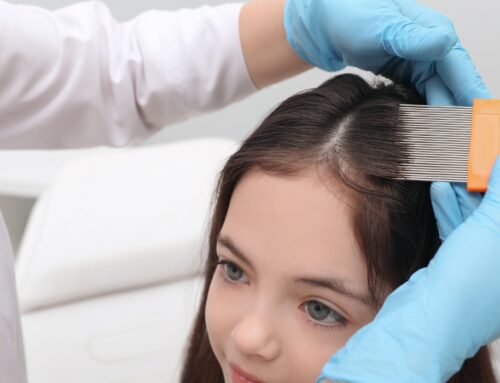

Lice Salon: Signs of Head Lice
Even in a Lice Charmers’ lice salon, it can be challenging to separate fact from fiction. For example, no, head lice are not dangerous. However, they are very contagious, and they are annoying. They are also one of the most common reasons why a child will miss school.
You can rest assured that lice cannot live long in an external environment, and an infestation is not a sign of poor hygiene. Of course, if you suspect an issue, you are probably wondering about the specific symptoms of head lice.
Top 5 Signs of Head Lice
1. An unprovoked “ticklish” feeling on your hair or scalp
If your hair or scalp feels “ticklish,” it could be a sign that head lice are moving around. Although head lice are only about the size of a sesame seed, they tend to roam quite often. Unlike dandruff, lice nits (eggs) are glued to the hair shaft and will not fall out easily when brushed or shaken.
2. Brown or grey “spots” moving on the scalp
A common symptom of head lice is actually spotting them in motion. Because adult lice are the size of sesame seeds, they can be seen under close examination or with a bright light. They move quickly to avoid light, so look closely at the roots.
3. Close contact with an infested individual
If a family member or close friend has recently dealt with head lice, you need to be extremely careful. Lice spread quickly through head-to-head contact, such as hugging. If someone in your home has lice, take precautions: vacuum upholstered furniture and wash clothing, bedding, or towels used by the infected person in hot water.
Pro Tip: Keep toys or stuffed animals bagged up for two weeks to “starve out” any possible lice and avoid re-infestation.
4. Small red bumps on the scalp, neck, and shoulders
Lice feed on human blood every few hours. You may see evidence of their presence via small red bumps or bite marks on the neck, scalp, or shoulders. These bumps may become more prevalent once nits hatch into nymphs, as they require immediate feeding to survive.
5. Persistent Itching
The most tell-tale symptom is itching on the neck, ears, or scalp. This is often an allergic reaction to louse saliva. Note that itching often doesn’t start until several weeks after an infestation begins. If you are already itching, it usually means an established colony is present, and you must take action immediately.
Think you might have lice? Don’t wait for the itching to get worse. Contact a professional lice salon to get checked for lice and guaranteed treatment.
References
Insider: Signs of Lice
KidsHealth: Head Lice
Quora: Head Lice & Hairdressers
Great Clips: Lice Quick Guide
Washington Post: Psychosomatic Lice