

How to Tell If It is Lice or Nits
What you’ll find in this article:
- Pictures of head lice and nits
- Description of lice and nits
- How to identify an active vs an inactive infestation
- Head lice symptoms
- Where to look for them on the scalp
- How lice spread
- Steps to prevent catching and spreading lice
Guide to Identifying Head Lice and Nits: Signs & Treatment
Successful lice treatment and lice removal begin with a proper lice check. If you suspect an infestation, knowing how to identify head lice and their eggs (nits) is the first step toward reclaiming your peace of mind. This guide explains how to spot the signs, what to look for during an inspection, and the best options for complete removal.
Common Signs You Need a Lice Check
Before you begin a physical inspection, look for these common symptoms that suggest a need for lice treatment:
- Persistent Itching: Intense scratching of the scalp, especially at the back of the head.
- Sensation of Movement: A tickling feeling in the hair indicating live head lice.
- Sleeplessness: Lice are most active in the dark, often causing irritability or difficulty sleeping.
- Red Bumps or Sores: These are often caused by scratching at the scalp where head lice nits are present.
Identifying Head Lice vs. Head Lice Nits
During a lice check, it is crucial to distinguish between the insects and their eggs to ensure effective lice removal.
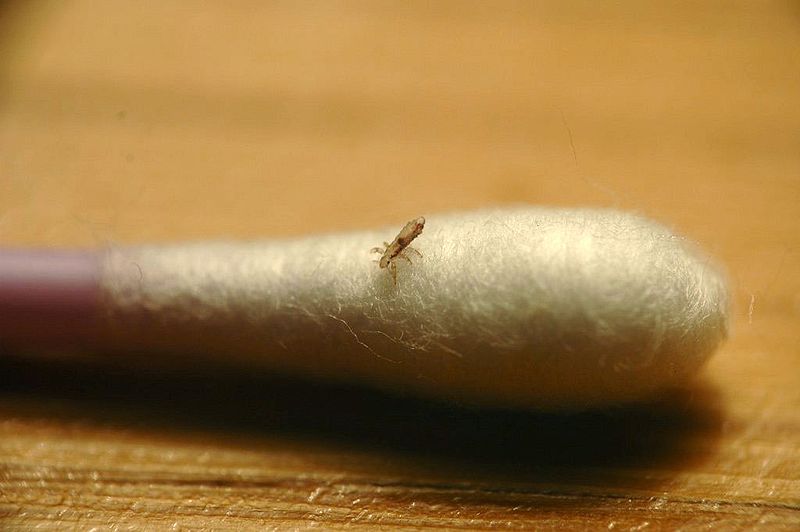
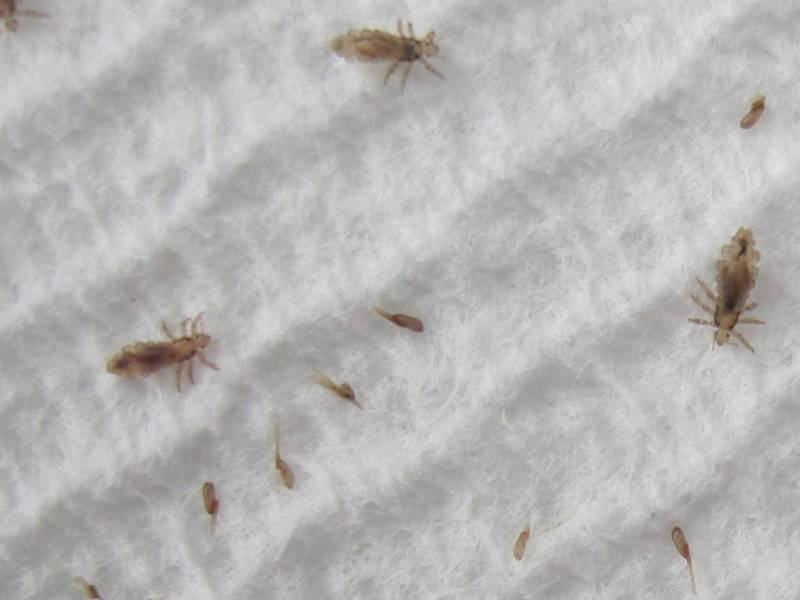
- Live Head Lice: These are tiny, wingless insects roughly the size of a sesame seed. They move quickly and avoid light, making them difficult to catch without a lice comb.
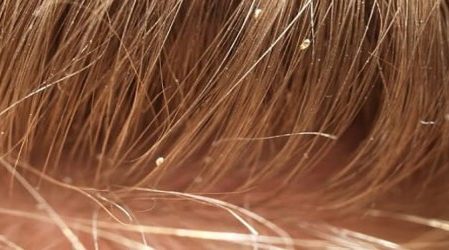
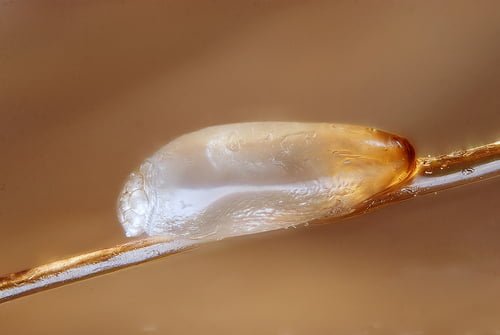
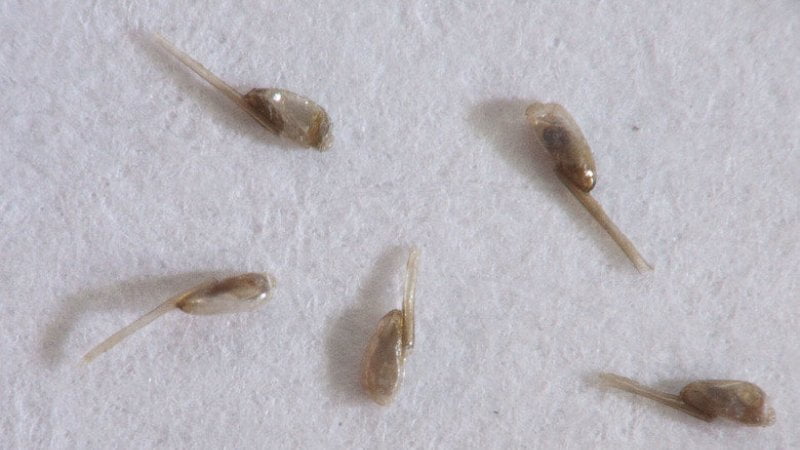
- Head Lice Nits: These are the eggs laid by the lice. They are oval-shaped and “glued” to the hair shaft. Unlike dandruff, they cannot be easily brushed off and require manual removal.
How to Perform an Accurate Lice Check
To ensure your diagnosis is correct before starting lice treatment, follow these professional steps:
- Use Bright Lighting: Conduct the check under a strong lamp or natural sunlight, focusing on the nape of the neck and behind the ears.
- Section the Hair: Use clips to divide the hair into small sections to look for head lice nits attached near the scalp.
- Use a Professional Lice Comb: This is the most effective way to identify live lice that are hiding. Comb from the scalp to the ends and wipe the comb on a white paper towel to inspect.
- Confirm the Infestation: If any live lice or nits are found, begin a lice treatment protocol immediately.
Choosing the Right Lice Treatment and Removal Method
Once an infestation is confirmed, choosing a reliable lice treatment is vital. While many opt for a lice shampoo, these often fail to kill the eggs. For the most effective lice removal, we recommend a combination of professional-grade products and meticulous manual combing.
To guarantee success, always perform a secondary lice check seven days after the initial treatment to ensure every louse and all head lice nits have been completely eliminated.
Dealing with a stubborn case? Contact The Lice Charmers for professional, science-backed removal that works in a single visit.
Pictures of Head Lice
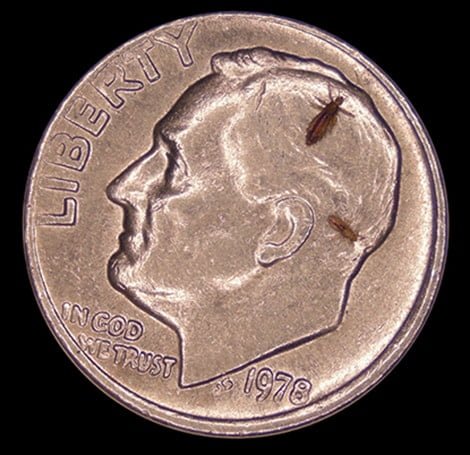
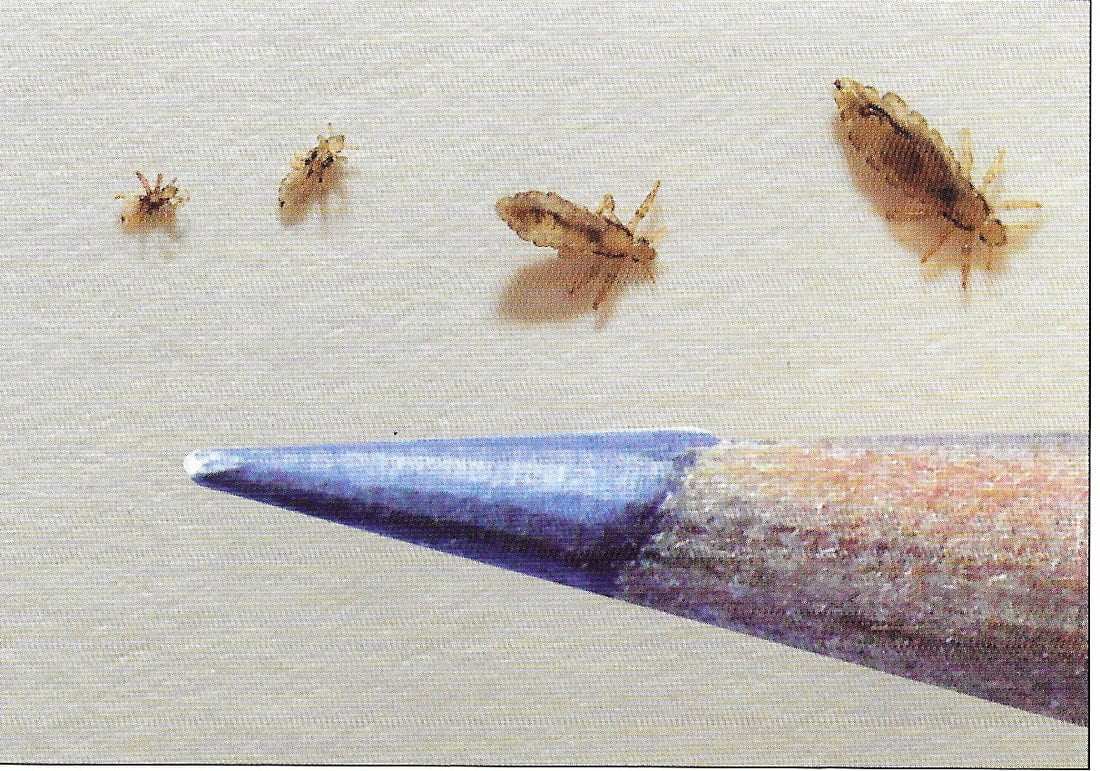
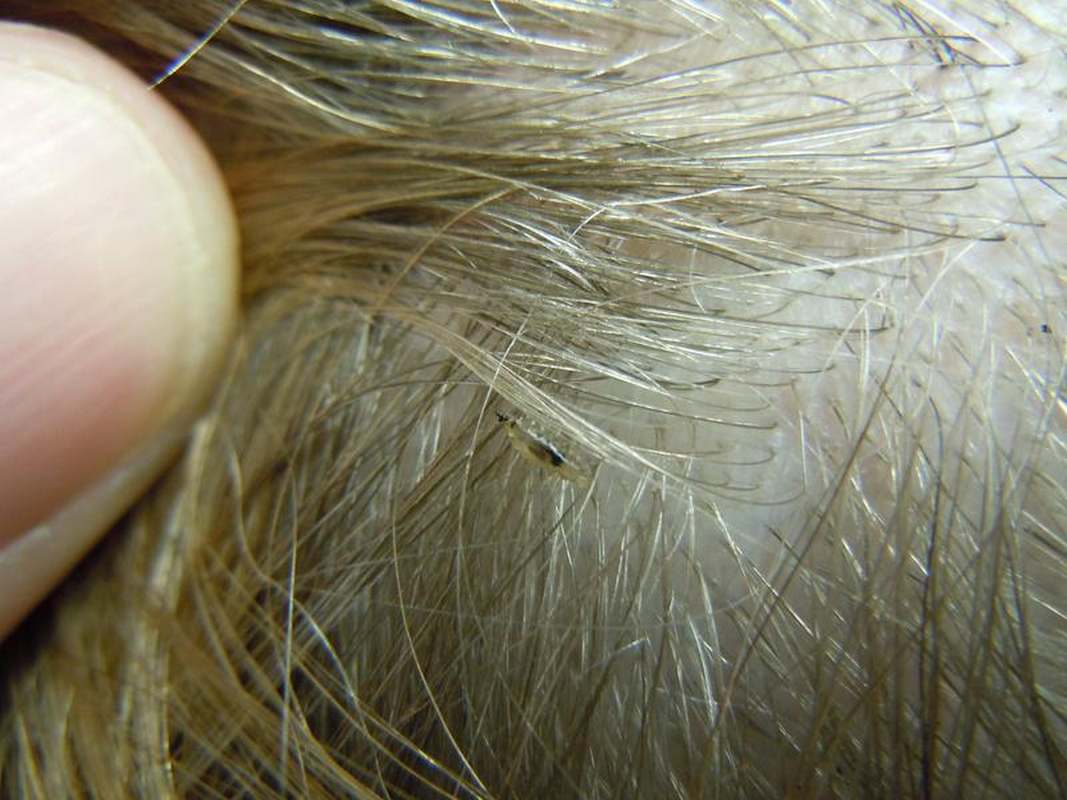
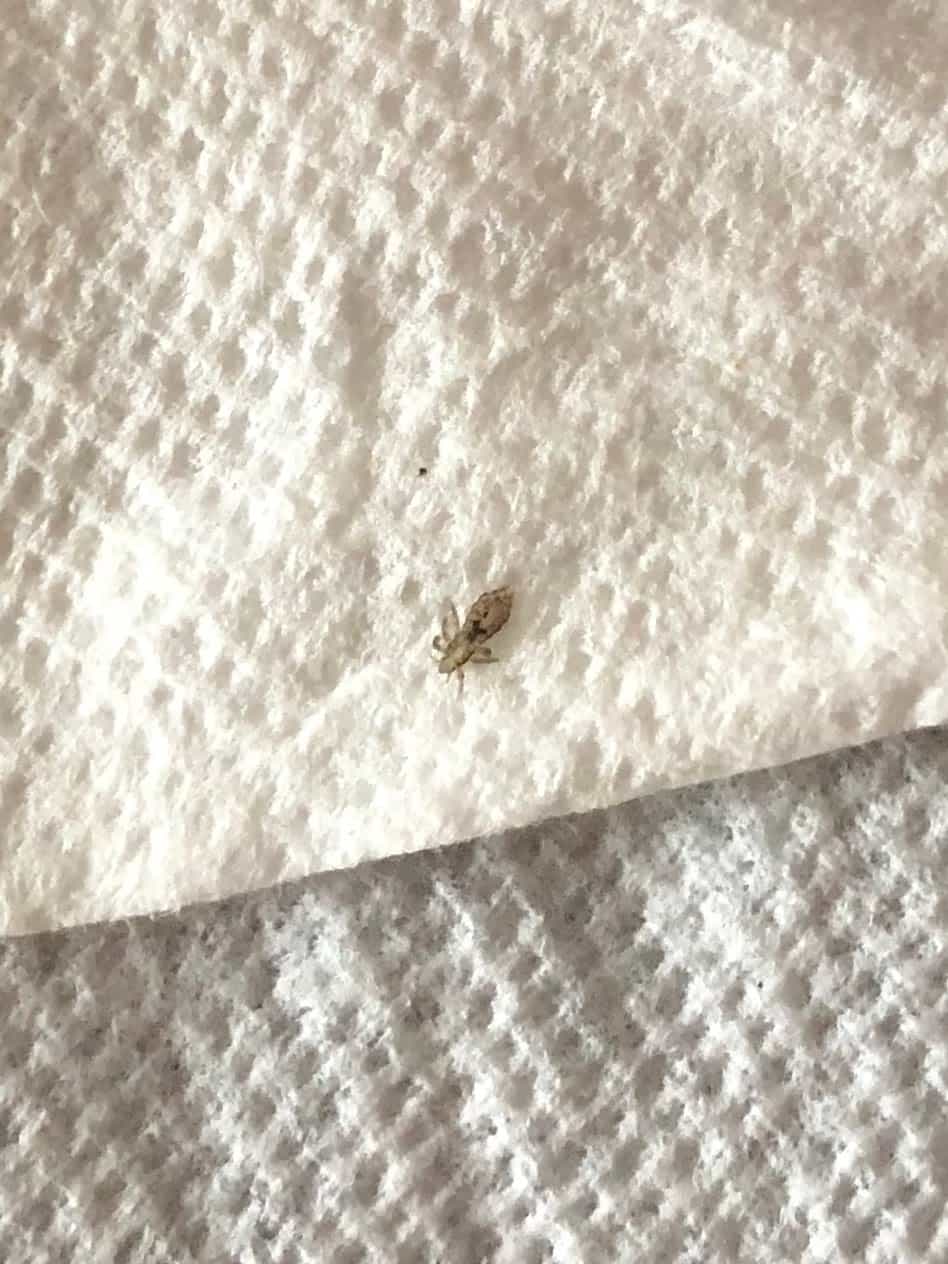
What Lice Look Like
Adult lice are about the size and shape of a sesame seed, have six legs, two antenna, and are translucent or light to dark-reddish brown. Unlike nits, lice are very easy to identify.
Pictures of Nits
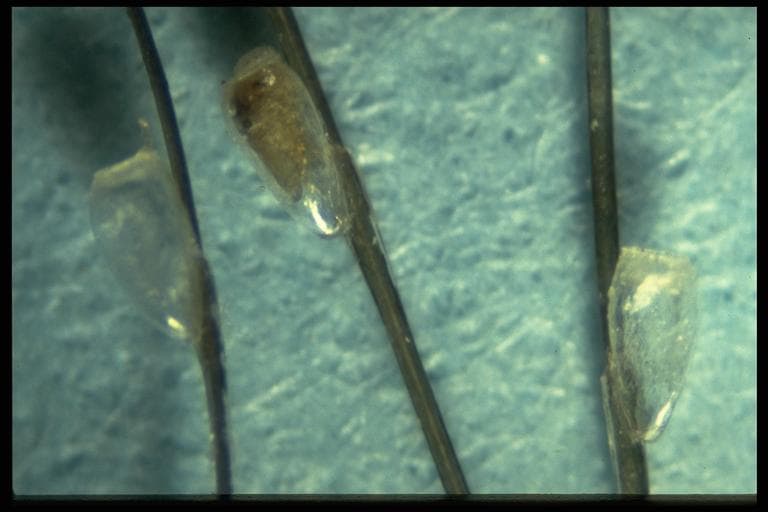
What Nits Look Like
All nits are:
- Shaped like a teardrop
- The size of a grain of salt. They do not grow in size.
- Light to dark brown colored.
- Securely glued to the hair shaft.
If it’s easily flicked or blown away it’s not a nit.
Active vs Inactive Infestations
Active head lice infestations must include either live, moving lice or a viable nit. To be viable, a nit must be within one quarter inch of the scalp.
Since nits are permanently attached to one location on the hair shaft, as that hair grows the nit moves farther from the scalp. Any nit beyond a quarter inch from the scalp is unviable because it either died without hatching or hatched and is empty.
Confusing unviable nits for viable nits is the most common cause of misdiagnosis. Without a nit that’s close to the scalp or a live bug, there isn’t clear evidence of an active lice infestation.
If you’ve already completed a lice treatment, you should continue checking regularly to prevent reinfestation and ensure the treatment worked.
If you haven’t completed a treatment, continue checking until you find a live louse or a nit within the required distance or are confident there is no infestation.
Head Lice Symptoms
- Persistent itching
- Red, irritated bumps or patches of skin
- Sores from repeated scratching
- Difficulty sleeping
- Nits within approximately a quarter inch from the scalp
Most lice infestations go undetected for four weeks before symptoms become noticeable.
Where to Look for Lice
You’re most likely to find lice along the nape of the neck, the hairline, or around the ears. They will be clinging to hair and moving away from light.
How Lice Spread
Lice spread primarily through head to head contact, such as hugging. Any louse that falls off the scalp is most likely dead or dying. They can spread through any object that comes in contact with the head, but it’s incredibly unlikely unless the infestation is extremely severe. The reason they don’t often spread through objects is because they will die from dehydration after about 10 hours, so leaving the scalp for anything that isn’t another piece of hair is unlikely.
How to Prevent Lice Infestation & Spreading
To help prevent spreading lice or catching them, wear your hair up, avoid head-to-head contact, use a silicone-based hair oil product, spread the word that lice are going around, and seek treatment. It’s a common misconception that tea tree oil is a reliable prevention or treatment option for head lice.
Ultimately, there is no guaranteed prevention method and parents often feel guilty because they mistakenly believe they did something wrong when the truth is that lice can happen to anyone.
Sources:
Ballenger, J. (2016). Questions About Head Lice. Ask Entomologists
How to Identify Lice & Nits (Lice Eggs)
What you’ll find in this article:
- Pictures of head lice and nits
- Description of lice and nits
- How to identify an active vs an inactive infestation
- Head lice symptoms
- Where to look for them on the scalp
- How lice spread
- Steps to prevent catching and spreading lice
Pictures of Head Lice
What Lice Look Like
Adult lice are about the size and shape of a sesame seed, have six legs, two antenna, and are translucent or light to dark-reddish brown. Unlike nits, lice are very easy to identify.
Pictures of Nits
What Nits Look Like
All nits are:
- Shaped like a teardrop
- The size of a grain of salt. They do not grow in size.
- Light to dark brown colored.
- Securely glued to the hair shaft.
If it’s easily flicked or blown away it’s not a nit.
Active vs Inactive Infestations
Active head lice infestations must include either live, moving lice or a viable nit. To be viable, a nit must be within one quarter inch of the scalp.
Since nits are permanently attached to one location on the hair shaft, as that hair grows the nit moves farther from the scalp. Any nit beyond a quarter inch from the scalp is unviable because it either died without hatching or hatched and is empty.
Confusing unviable nits for viable nits is the most common cause of misdiagnosis. Without a nit that’s close to the scalp or a live bug, there isn’t clear evidence of an active lice infestation.
If you’ve already completed a lice treatment, you should continue checking regularly to prevent reinfestation and ensure the treatment worked.
If you haven’t completed a treatment, continue checking until you find a live louse or a nit within the required distance or are confident there is no infestation.
Head Lice Symptoms
- Persistent itching
- Red, irritated bumps or patches of skin
- Sores from repeated scratching
- Difficulty sleeping
- Nits within approximately a quarter inch from the scalp
Most lice infestations go undetected for four weeks before symptoms become noticeable.
Where to Look for Lice
You’re most likely to find lice along the nape of the neck, the hairline, or around the ears. They will be clinging to hair and moving away from light.
How Lice Spread
Lice spread primarily through head to head contact, such as hugging. Any louse that falls off the scalp is most likely dead or dying. They can spread through any object that comes in contact with the head, but it’s incredibly unlikely unless the infestation is extremely severe. The reason they don’t often spread through objects is because they will die from dehydration after about 10 hours, so leaving the scalp for anything that isn’t another piece of hair is unlikely.
How to Prevent Lice Infestation & Spreading
To help prevent spreading lice or catching them, wear your hair up, avoid head-to-head contact, use a silicone-based hair oil product, spread the word that lice are going around, and seek treatment. It’s a common misconception that tea tree oil is a reliable prevention or treatment option for head lice.
Ultimately, there is no guaranteed prevention method and parents often feel guilty because they mistakenly believe they did something wrong when the truth is that lice can happen to anyone.
Sources:
Ballenger, J. (2016). Questions About Head Lice. Ask Entomologists